

Fall is the season streetwear does its best work. The heat is gone, layers are back, and you can wear more than a T-shirt and shorts without suffering for it. The catch is that every September arrives with a fresh pile of trends, and most of them look better on a lookbook than on a real person standing at a bus stop. What follows is a realistic read on where fall 2025 is heading — the silhouettes, fabrics and colors that will still look right on a normal Tuesday — plus an honest note on what to skip and how to fold the rest into the clothes already hanging in your closet.
The Volume Question: One Big Thing at a Time
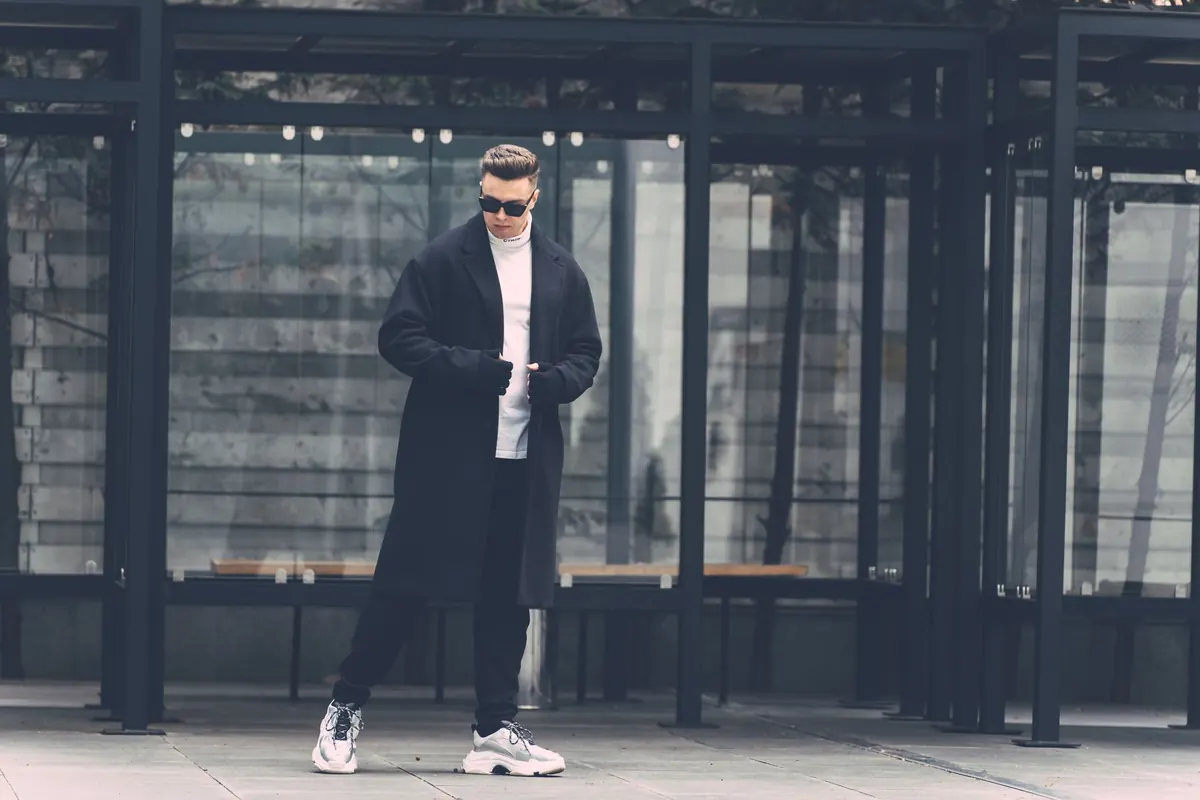
The skinny-versus-wide argument is settled for now, but the interesting part of this fall isn't that trousers are loose. It's how people are balancing them. The strongest outfits right now have exactly one generous piece, with everything else kept close to the body. Wide-leg trousers with a fitted knit. A boxy jacket over a slim tee and straight jeans. An oversized hoodie with tapered track pants and a low-profile sneaker.
If one thing in an outfit is big, the outfit looks intentional. When everything is big, it looks like a costume.
This matters because the fastest way to look dated is to buy a whole new silhouette top to bottom. You don't need a new wardrobe to do volume. You need one relaxed piece and the discipline to keep the rest of the fit honest.
Watch the hem
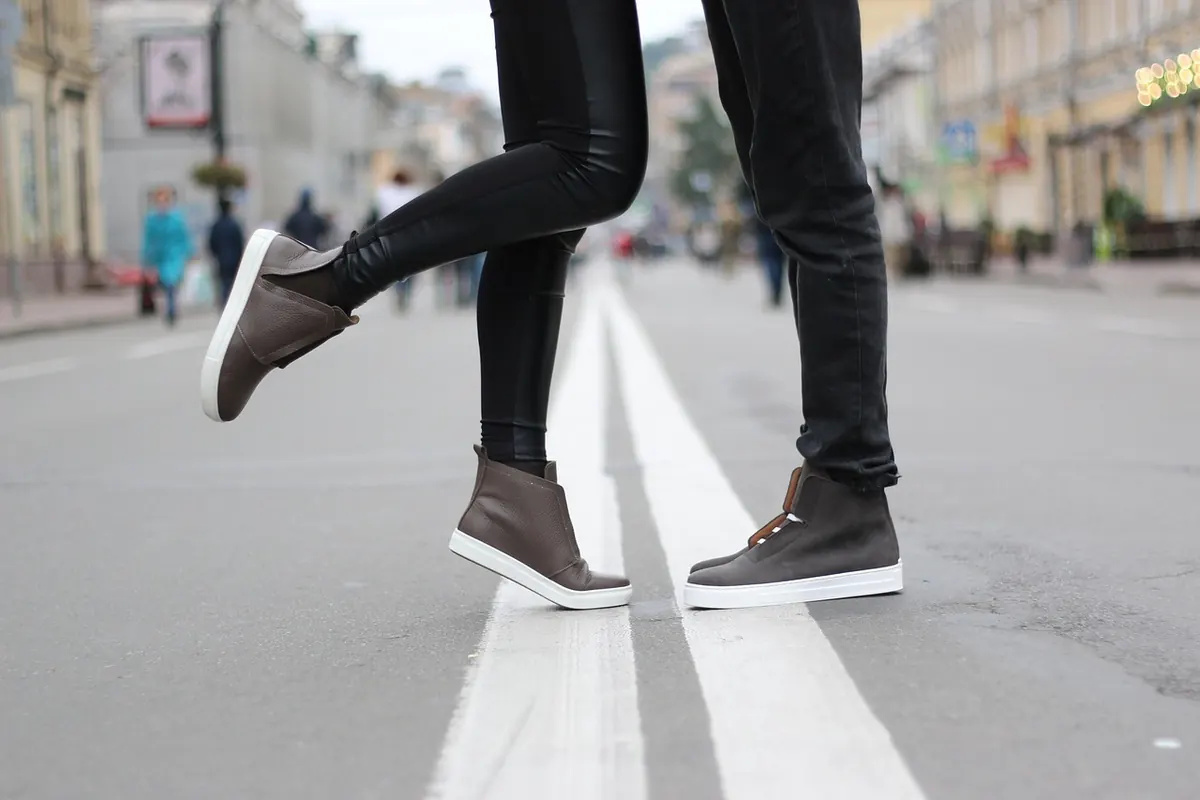
Fall 2025 lengths land just above the shoe, sometimes with a single clean break and sometimes with none at all. A wide leg that pools over a chunky sneaker reads sloppy; the same trouser hemmed to graze the laces reads deliberate. If you already own relaxed trousers, a trip to a tailor is cheaper than replacing them — and it will change how the whole outfit registers.
Layering Gets Longer and Lighter
The dominant layering move this season is a long, thin mid-layer under a shorter outer layer. Think an open overshirt over a tucked-in tee, a lightweight hoodie under a bomber, or a fine-gauge knit worn as a jacket with nothing underneath. Chore coats, field jackets and unlined bombers are doing most of the heavy lifting because they add shape without bulk.
Three pieces is the ceiling for most days. Base layer close to the skin, mid layer thin and soft, outer layer structured. If you're adding a fourth, make it a bag or a scarf, not another garment.
Utility, With the Pockets Turned Down
Workwear isn't going anywhere, but it has lost the tactical cosplay energy. Cargo trousers now have flatter, trimmer pockets. Jackets come in canvas, ripstop and waxed cotton rather than head-to-toe technical nylon. The color range has narrowed to olive, charcoal, tobacco brown and faded black.
The easiest way to wear this without looking like you're heading to a jobsite: pick one utility piece per outfit and keep the rest plain. Cargo pants with a clean crewneck and simple trainers. A field jacket over dark denim and a white tee. Skip the belt-and-strap details entirely — they're the part that ages fastest.
Denim and Trousers: Dark, Rigid, Hemmed
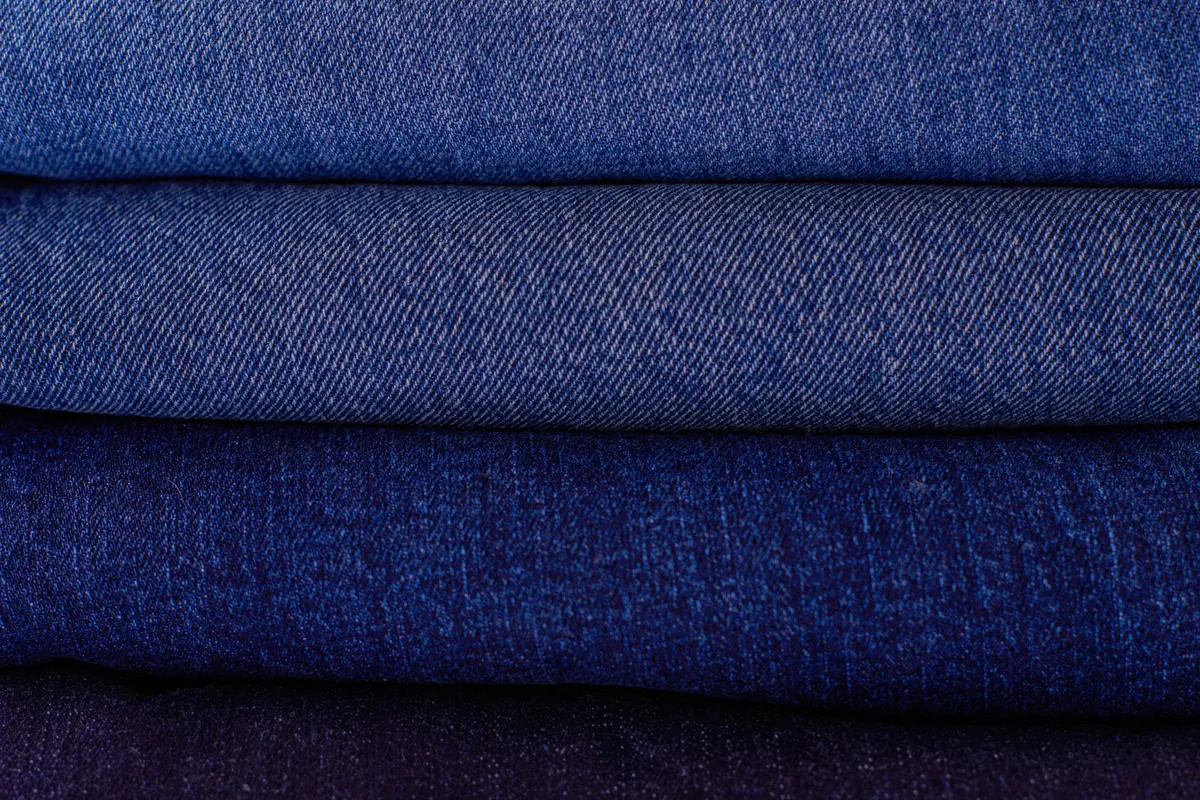
Washed-out light denim is taking a back seat. This fall favors dark indigo, washed black and rigid or raw denim that holds its shape, alongside corduroy in wide-wale cuts and wool-blend trousers that read as slightly dressy. All of it looks better slightly wider than you'd have bought three years ago.
Two practical notes. First, rigid denim needs a week or two to soften, so don't judge it on day one. Second, if you're only buying one pair of trousers this season, choose a dark, straight or gently barrel-shaped cut in a fabric with some weight. It works with knits, hoodies, boots and sneakers, which is about as much versatility as one garment can offer.
Color and Texture: Warm Neutrals, One Accent
The palette has warmed up. Brown in every shade from camel to espresso, olive, cream, oatmeal and a soft butter yellow are showing up where black used to sit. Oxblood and deep burgundy are working as the accent color for anyone who finds brown difficult.
Texture is doing more work than pattern this season. Suede, brushed flannel, boucle knits, mesh, and slightly crinkled cotton all read as fall without needing a print. The trick is contrast: pair something smooth with something fuzzy, or a matte fabric with a faint sheen. If you only add one accent color to your closet, pick one that already appears somewhere in your shoes or your bag so it ties together instead of shouting.
What to Skip This Fall
- Full logo outfits. One branded piece is fine. A matching set of logo-heavy everything looks like a receipt.
- Heavy distressing. Ripped knees and shredded hems are hard to style and harder to repair. A small amount of wear is fine; a lot reads as a costume.
- Rebuilding around skinny jeans. If you love your slim pair, keep wearing them with wider tops. Just don't spend the season's budget restocking them.
- Maximalist chunky sneakers as a default. They still exist, but the cleaner, lower-profile shoe is what most outfits are asking for right now.
- Full technical outerwear for city wear. Unless you're actually outdoors in bad weather, a strapped shell over jeans tends to look like gear rather than clothes.
- Trends that require a new body. If a cut needs a different frame, different shoes and three new layers to work, that's not a trend — that's a project.
Make It Work With What You Own
Most people don't need new clothes in September. They need a clearer system for the ones they have. Try this before you buy anything.
- Audit your trousers. Try on every pair with the shoes you actually wear. Anything that pools, drags or bunches gets hemmed or set aside.
- Build two formulas you can repeat. For example: relaxed trousers, fitted knit, structured jacket. Or: straight dark denim, long overshirt, plain tee, low sneaker. Formulas remove decision fatigue.
- Pick one accent color you already own. Find the brown, olive or burgundy piece hiding in your closet and build two outfits around it this week.
- Tailor before you shop. A $20–$30 alteration on trousers you like beats a new pair you'll wear twice.
- Buy two things, deliberately. One relaxed trouser, one layer with structure. That's enough to make last year's closet feel current.
Trends are a menu, not a checklist. Take the two or three items that fit how you actually dress, wear them hard through November, and let the rest pass by. If you're spending real money on a single piece this season, spend it on the thing you'll reach for four days a week — and check the return policy before you commit.
Photo: 6318832 / Pixabay