

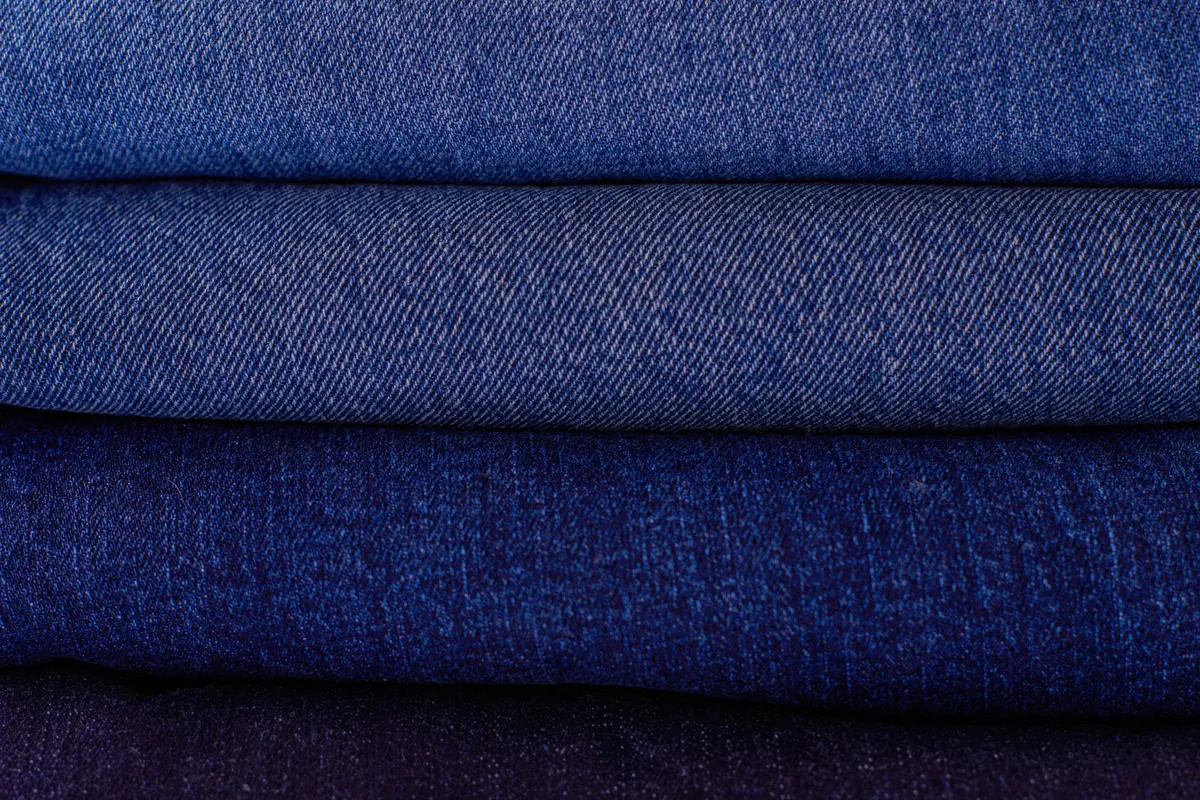


Quiet luxury gets discussed as though it requires a trust fund and a tailor on retainer. Strip away the marketing and the look comes down to three things: fabric that behaves, a narrow color palette, and clothes that fit the person wearing them. None of that is expensive in itself. What costs money is guessing wrong — buying a logo instead of a shoulder seam, or a thin viscose blouse that sags by lunchtime. The six swaps below replace the expensive pieces people think they need with affordable versions that hold their own.
The Rules Behind the Look
Before the swaps, the logic. Quiet luxury is mostly a subtraction exercise, and four things do almost all the work.
- Fabric over branding. Wool, cotton, linen, silk blends, and good knits look expensive because they drape and hold shape. Logos do not.
- A tight palette. Navy, charcoal, cream, oatmeal, camel, chocolate brown, black. If everything you own sits inside that list, everything matches and nothing looks random.
- Fit above all. A plain cotton shirt that fits your shoulders and sleeve length beats an expensive one that doesn't, every time.
- Restraint in details. No visible hardware, no contrast stitching, no shiny trims. Buttons in a matching tone. Clean hems.
That's the whole brief. Now the swaps.
Six Swaps Worth Making
1. Cashmere becomes merino or lambswool
A fine-gauge merino crewneck does the job most people buy cashmere for: it layers under a blazer, holds shape through a season, and looks smooth rather than fuzzy. Lambswool is slightly warmer and hairier, which suits a chunkier knit. Look for 100% wool where you can, and notice the ply — a two-ply yarn keeps its shape far better than a thin single. Fold knits instead of hanging them, wash on a wool cycle or by hand, and use a sweater comb when pills appear.
2. Silk becomes cupro or lyocell
Silk's real value is drape and a soft, matte sheen. Cupro has both, and it presses beautifully. Lyocell is another good stand-in — it hangs well, creases less than you'd expect, and takes dye in deep, even tones. The trick is weight. A heavier cupro or lyocell shirt falls in clean vertical lines; a thin one clings and shows every seam. Hold the fabric up to the light. If you can see your hand clearly through it, put it back.
3. The designer blazer becomes a wool blend, then gets tailored
The one thing a blazer must do is sit correctly on your shoulders, because that seam can't be moved. Everything else can: sleeve length, waist suppression, hem. A wool-blend or cotton-twill blazer with a little structure beats a stretchy one that collapses at the elbows. Buy the size that fits your shoulders and chest, then spend the difference on alterations. Two small changes — shorter sleeves and a nipped waist — make an ordinary jacket look made for you.
4. The logo bag becomes unbranded full-grain leather
Turn the bag over and ignore the front. Check the stitching for even, straight lines. Check that the edges are painted or burnished rather than raw. Check the lining, and check how the leather feels — full-grain has visible grain and a slightly dry, natural surface, not a uniform plastic sheen. A simple tote or shoulder bag in tan, black, or brown will outlast three trend-driven ones and quietly match everything you own.
5. Fine gold jewelry becomes gold-filled or sterling silver
Gold-filled pieces carry a thick layer of gold bonded to a base metal, so they keep their color far longer than plated costume jewelry, which wears through at the edges within months. Sterling silver is another honest option; it tarnishes, which means a polish now and then, but it's real metal with real weight. Two pieces worn daily beat a drawer full of things you never reach for.
6. New tailored trousers become secondhand wool plus a tailor
This is the best-value swap on the list. Resale sites, charity shops, and vintage stores are full of well-made wool trousers in classic cuts. Look for 100% wool, check the crotch and seat for thinning or shine, and check the knees. Buy a size up if the waist is close, then have a tailor take it in. Hemming, waist adjustment, and a slight taper cost little and turn a secondhand find into the sharpest thing in your wardrobe.
How to Shop the Swaps Without Wasting Money
The swaps only work if you buy deliberately. A short routine helps more than any single purchase:
- Write your palette down before you shop, and don't buy outside it, however good the discount.
- Touch the fabric first. If it feels thin, slick, or stiff, the fit won't save it.
- Buy for your largest measurement and tailor down, never the reverse.
- Add the tailor's bill to the price in your head, then decide.
- Wait a week on anything you didn't plan to buy. Most of it you won't miss.
Care does as much for the look as buying does. Steam rather than iron where you can, brush wool coats at the end of the season, use shoe trees, and store knitwear folded. Clothes that are looked after read as expensive even when they weren't.
Start With One Swap
Pick the gap that shows most in your wardrobe — usually the trousers or the blazer — and fix that one thing properly. A pair of well-fitting wool trousers and a jacket that sits on your shoulders will do more for how you look than a rack of new pieces bought in a hurry. Build slowly, stay inside your palette, and let the alterations do the heavy lifting. If you're working to a tight budget, set a monthly clothing cap before you shop so the decision is already made.
Quiet luxury isn't a price bracket. It's fabric you can feel, colors that agree with each other, and clothes that were adjusted to fit a real body. Two or three swaps in, people will start asking where you shop. You can tell them, or you can just say the truth: it's mostly the tailor.
Photo: Tumisu / Pixabay