

Three hundred dollars will not fill a closet, and it should not try. What it can buy is a small, deliberate kit of streetwear pieces that speak the same language — same palette, same silhouette — so that almost anything you pull out in the morning works with everything else. Ten random pieces give you ten outfits at best. Eight well-chosen ones give you dozens.
Treat the plan below as a framework, not a rulebook. Adjust the numbers to what you already own, and don't rush it. A capsule built over two months usually beats one panic-bought in an afternoon.
Set the Rules Before You Spend a Dollar
Most capsules fall apart at the buying stage: something looks great on the rack, it comes home, and it matches nothing. Decide four things first and write them down.
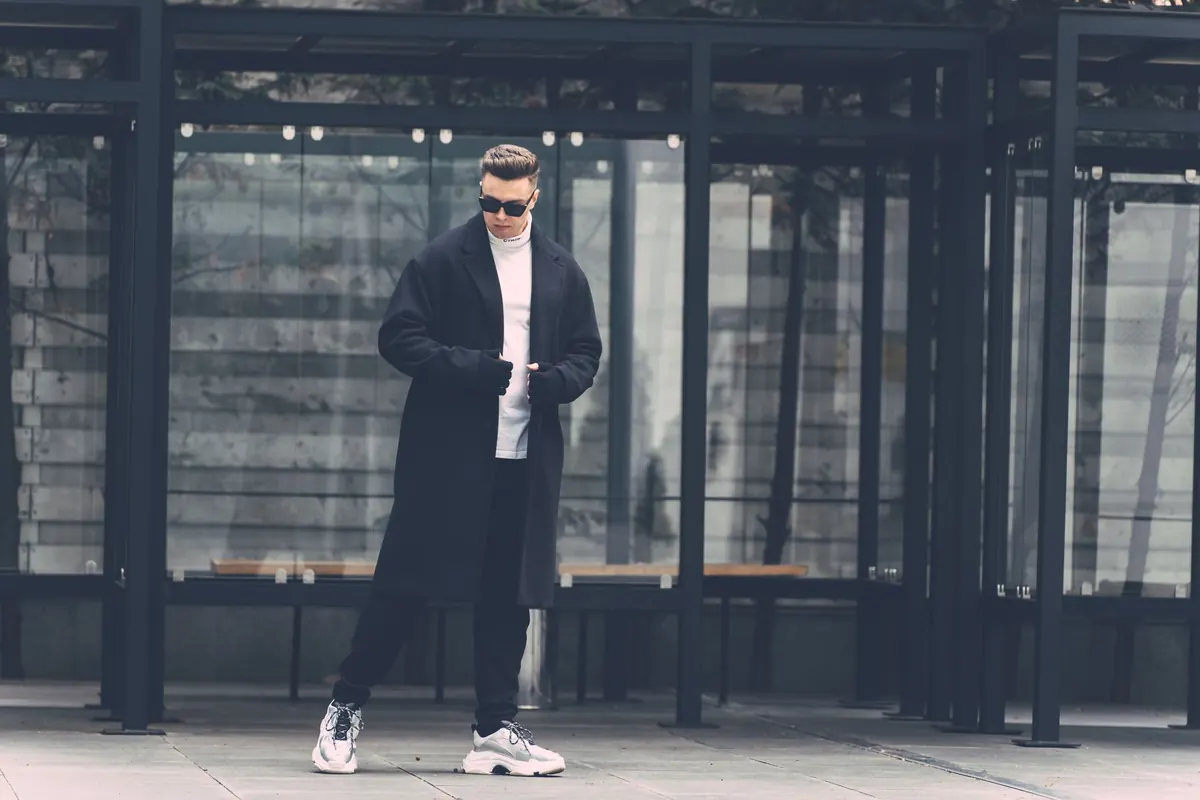
- Palette. Pick three neutrals and one accent. Black, charcoal, and off-white with olive as the accent is a flexible starting point; rust or faded blue works too. Everything you buy has to live inside those four colours.
- Silhouette. Choose a direction: relaxed top with relaxed or straight-leg bottoms, or a closer-fitting top with wider bottoms. Mixing skinny and oversized is a decision, not a default.
- The three-pairing test. Any new piece must work with at least three things you already own. If it works with only one, it's a costume, not a wardrobe.
- Logo limits. Big graphics date quickly and limit repeat wear. Small or absent branding keeps a piece usable for years.
The $300 Breakdown
These are rough allocations based on buying blanks, secondhand, and end-of-season rather than full-price boutique stock. Move money between lines depending on what's already in your closet.
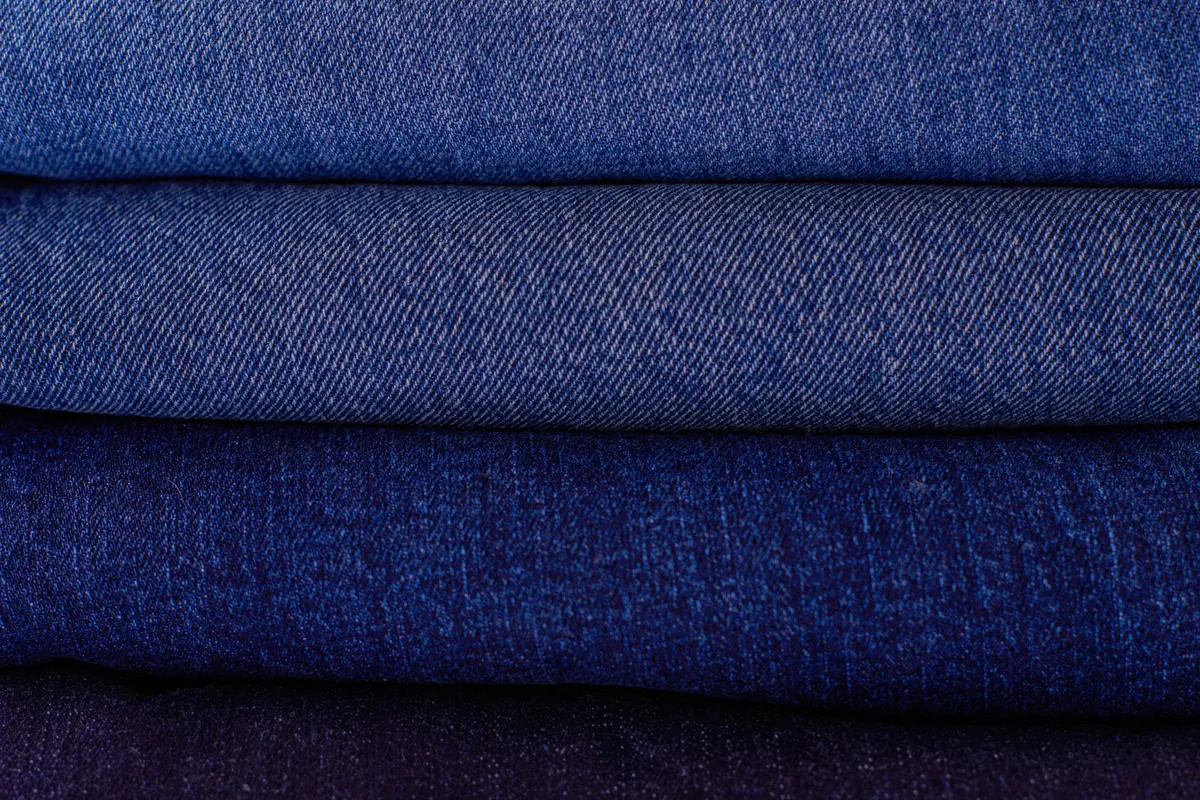
- Bottoms — about $80. One pair of straight or relaxed pants (cargo, work pant, or chino) plus dark denim if you don't own a pair. Bottoms carry the shape of an outfit, so this is the wrong place to trim.
- Tops — about $60. Two heavyweight blank tees and one long-sleeve layer. Thicker cotton holds its shape and reads more expensive than thin cotton, so two good tees beat five flimsy ones.
- Outerwear — about $90. One jacket: coach jacket, bomber, or overshirt depending on your climate. This is the piece people notice first.
- Footwear — about $50. Only if you genuinely need it. Clean low-profile sneakers in white, black, or grey. If you already own a wearable pair, move this money into bottoms or outerwear.
- Accessories — about $20. A plain cap or beanie and a simple belt. Small details, large effect on how finished an outfit looks.
If you thrift two of those pieces and come in under budget, that is not a failure. It is room to upgrade your jacket later.
Spend Where It Shows, Save Where It Doesn't
Worth the money
Bottoms, outerwear, and shoes. These take daily abuse, hold the proportions of everything else, and are hardest to fake. A well-cut pair of pants will outlast three cheap pairs. Buy them secondhand where you can — a solid jacket from a resale shop often costs less than a thin fast-fashion version bought new.
Not worth the money
Plain tees, socks, basic hoodies, belts. Nobody can tell your blank tee came from a multipack. Buy these in packs, wait for sales, and replace them without guilt when they wear out.
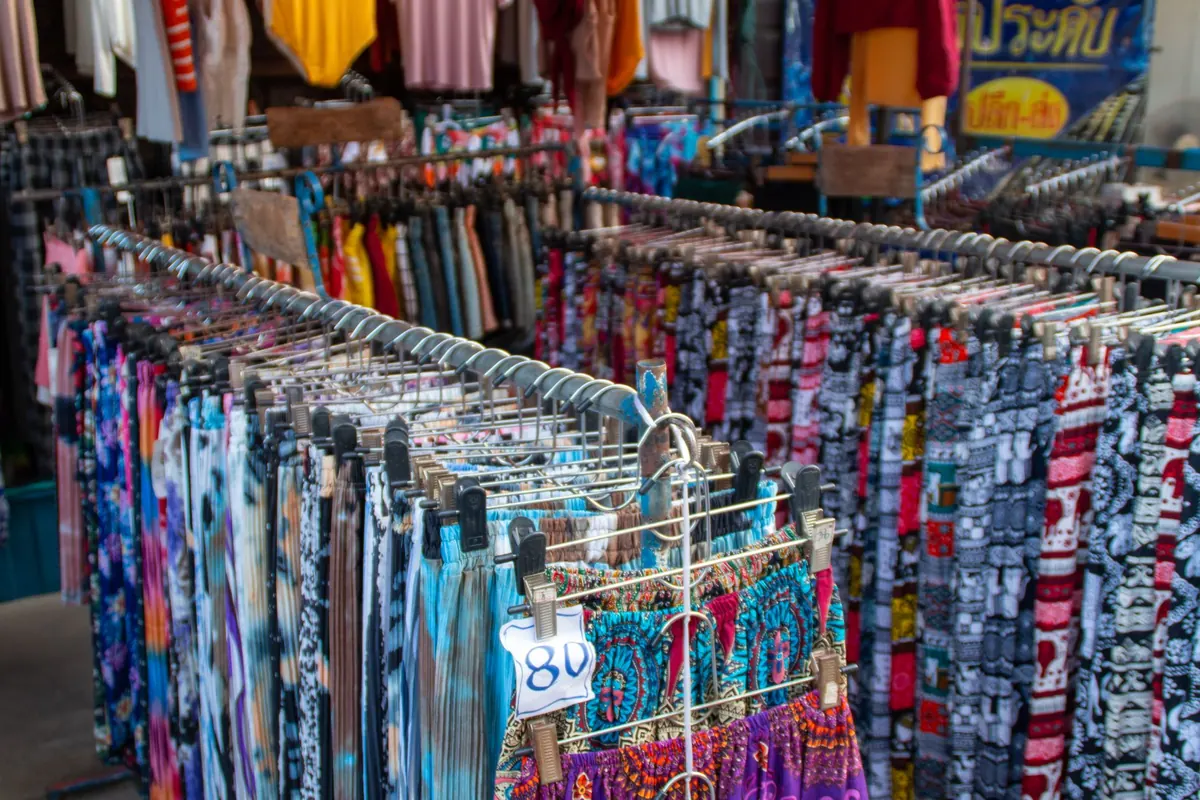
Shop off-season as well. Coats and heavy layers move to clearance at the end of winter, lighter jackets and shorts at the end of summer. Same garment, lower price, and nobody cares that you bought it six months early.
Fit Beats Brand, Every Single Time
A jacket with a good label that sits badly will look worse than a plain one that fits. Fit is the cheapest upgrade in fashion because it costs nothing but attention.
- Shoulder seams land at the edge of your shoulder, not past it.
- Tee and hoodie hems fall somewhere between your waistband and mid-fly. Longer than that and the whole outfit goes slack.
- Pants break once, lightly, over the shoe — or sit cleanly above it. No fabric puddles.
- Sleeves end at the wrist bone, not halfway down the hand.
If something fits everywhere except one place, usually the hem, a tailor can fix it for far less than replacing the piece. Hemming pants and shortening sleeves give the biggest payoff for the smallest spend.
How Eight Pieces Make Dozens of Outfits
Once the palette is tight, combinations become automatic. With two tees, a hoodie, a jacket, two pairs of bottoms, and one pair of shoes, you can rotate through these:
- Tee, dark pants, low sneakers. Neutral and clean, works anywhere.
- Tee, dark denim, jacket. The jacket does the styling; everything else stays quiet.
- Hoodie, straight pants, sneakers. The weekend default, relaxed through the whole line.
- Tee under hoodie, jacket over both, dark pants. Layering adds depth without adding colour.
- Long-sleeve layer, denim, cap. Simple, and the cap signals intent.
Notice how little changes between them. That's the point: the palette and silhouette stay constant, so you look consistent rather than repetitive.
Build Slowly, Then Add One Piece a Season
Wear the capsule for a full season before buying anything else. Keep track of what you reach for and what stays folded at the bottom of the drawer — that tells you more than any shopping list. Then add one piece per season: a better jacket, a knit, a second pair of pants, a pair of shoes you actually want.
Say no to anything that breaks the palette, no matter how good the discount. Two or three seasons in, your wardrobe will be bigger, more coherent, and cheaper than the pile you would have built by buying whatever caught your eye. And keep the budget honest — this is a spending plan, not a reason to go past what you can comfortably afford.
Photo: Ylanite / Pixabay